


COMPETITION FRAMEWORK
RULES &
STANDARDS
The framework for how PGPR runs - and how athletes prepare.
THE FORMAT
PGPR is a Tactical Fitness competition that combines high-intensity functional training with live-fire shooting elements in a controlled, safety-driven environment.
Athletes move through a series of stages combining strength, endurance, precision, and decision-making. Fitness leads the day; shooting tests precision under fatigue. Every stage is designed to challenge the athlete while operating within Puerto Rico's regulatory framework and under the supervision of certified Range Officers.
Navidad Táctica, PGPR's flagship annual event, takes place on December 19, 2026 at RL Shooting Club, Aguas Buenas.
THE DIVISIONS
Five divisions. Different intensities. Same commitment to safety.
ADAPTIVE

A modified division for athletes who want to experience PGPR in a controlled environment. No rankings. No prizes. This is about completing the challenge.
BEGINNER
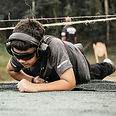
For athletes ready to compete in a structured and approachable format. Challenging, but accessible. Athletes compete for placement.
INTERMEDIATE
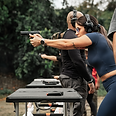
For athletes with a strong foundation in fitness and shooting. Heavier loads. Higher standards. Performance matters.
JÍBARO

The highest level of competition at PGPR. Level 2 retention holsters required. Rifles carried in slings. Heaviest loads. Built for athletes who want to prove themselves.
MASTERS 45+

For athletes 45 and older who want to compete while prioritizing longevity and control. Maintains competitive intensity within an age-based category.
ALL DIVISIONS ARE AVAILABLE IN EITHER PISTOL OR 2-GUN (PISTOL + RIFLE) FORMAT.
In the 2-Gun format, athletes utilize both pistol and rifle throughout the competition, transitioning between weapons under physical fatigue and time pressure.
ELIGIBILITY & LICENSING
Puerto Rico Weapons Act 168-2019 applies. Read carefully.
AGE REQUIREMENTS
Athletes 18 and older may compete independently in any division.
Athletes 14 - 17 may participate in select stages under direct supervision of a dedicated adult supervisor throughout the entire event. Youth participants must be accompanied by a legal parent or guardian at check-in and throughout the competition day.
FIREARMS LICENSING
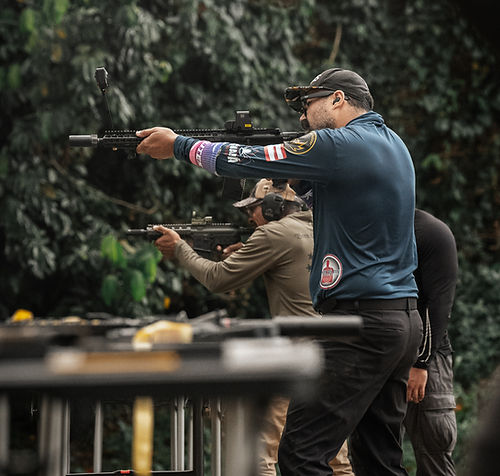
All athletes must possess a valid Puerto Rico firearms license under the Puerto Rico Weapons Act (Ley 168-2019) or a valid provisional license issued to out-of-jurisdiction competitors.
Out-of-state and international competitors: PGPR facilitates the provisional firearms license process for registered athletes. After registration, contact PGPR to receive the application materials and next steps. Completed applications are submitted through PGPR, who coordinates with RL Shooting Club to process them.
Processing timelines vary. Apply as early as possible - provisional licenses cannot be obtained on short notice.
License verification is conducted at athlete check-in on event day. No exceptions. No license, no competition.
STANDARDS BY DIVISION
Movement standards, weights, and loads. Same for both formats (Pistol and 2-Gun).
Standards are subject to refinement in the official Rulebook, published November 2026.
BEGINNER & MASTERS 45+ DIVISIONS
Movement | Male | Female |
|---|---|---|
Yoke Carry | 210 lbs | 190 lbs |
Ruck / Rucksack | 15 lbs | 10 lbs |
Sandbag (Duffle-style) | 30 lbs | 15 lbs |
Sandbag (Rounded) | 50 lbs | 35 lbs |
Plyo Box | 20" | 20" |
Deadlift (Axle Bar) | 95 lbs | 65 lbs |
Push Press (Axle Bar) | 65 lbs | 45 lbs |
Dumbbells | 25 lbs | 15 lbs |
Weighted Vest | 13 lbs | 9 lbs |
Ski Machine | ✓ | ✓ |
Rowing Machine | ✓ | ✓ |
Burpees (Sprawls) | ✓ | ✓ |
Squats/Push-Up/Run | ✓ | ✓ |
INTERMEDIATE DIVISION
Movement | Male | Female |
|---|---|---|
Yoke Carry | 290 lbs | 230 lbs |
Ruck / Rucksack | 25 lbs | 15 lbs |
Sandbag (Duffle-style) | 75 lbs | 50 lbs |
Sandbag (Rounded) | 100 lbs | 50 lbs |
Plyo Box | 24" | 20" |
Deadlift (Axle Bar) | 185 lbs | 135 lbs |
Push Press (Axle Bar) | 115 lbs | 75 lbs |
Dumbbells | 40 lbs | 25 lbs |
Weighted Vest | 17 lbs | 12 lbs |
Ski Machine | ✓ | ✓ |
Rowing Machine | ✓ | ✓ |
Burpees | ✓ | ✓ |
Squats/Push-Up/Run | ✓ | ✓ |
JÍBARO DIVISION
Movement | Male | Female |
|---|---|---|
Yoke Carry | 330 lbs | 250 lbs |
Ruck / Rucksack | 35 lbs | 25 lbs |
Sandbag (Duffle-style) | 100 lbs | 75 lbs |
Sandbag (Rounded) | 150 lbs | 75 lbs |
Plyo Box | 24" | 24" |
Deadlift (Axle Bar) | 225 lbs | 185 lbs |
Push Press (Axle Bar) | 135 lbs | 85 lbs |
Dumbbells | 50 lbs | 35 lbs |
Weighted Vest | 20 lbs | 15 lbs |
Ski Machine | ✓ | ✓ |
Rowing Machine | ✓ | ✓ |
Burpees | ✓ | ✓ |
Squats/Push-Up/Run | ✓ | ✓ |
LEGAL COMPLIANCE
All athletes are legally responsible for their own compliance with Puerto Rico firearms laws throughout the competition. PGPR staff and Range Officers enforce competition rules but do not provide legal counsel.
For the full text of Puerto Rico Weapons Act 168-2019, visit the official government resource.
EQUIPMENT OVERVIEW
The framework. Full technical specifications in the Rulebook.
WHAT YOU BRING
WHAT WE PROVIDE
- Handgun and rifle (as required by your division and format)
- Ammunition (specifications in Rulebook)
- Holster and belt (Level 2 retention required for Jíbaro Division)
- Rifle sling (required for Jíbaro Division 2-Gun)
- Eye and ear protection
- Athletic apparel appropriate for shooting and fitness
- Closed-toe athletic footwear
- Hydration
- Valid firearms license
- All fitness equipment (kettlebells, sandbags, rigs, obstacles)
- All targets and shooting infrastructure
- Certified Range Officers at every live-fire stage
- Timing and scoring systems
- Athlete bag with sponsor materials
- Water and post-event refreshments
- Medical / EMT on site
- Athlete parking and check-in
SAFETY FIRST. ALWAYS.
No score. No time. Nothing is worth more than going home safe.
THE NON-NEGOTIABLES
- Every live-fire stage is supervised by certified Range Officers.
- All firearms remain unloaded until the Range Officer's command.
- Muzzle discipline is enforced at all times - no exceptions.
- Eye and ear protection required at every live-fire stage.
- Athlete flow, spectator zones, and firing lines are physically separated.
- Any unsafe firearm handling results in immediate disqualification.
- Range Officer decisions are final and cannot be appealed on event day.

MEDICAL & EMERGENCY
Certified EMT / medical personnel are on site throughout the entire event. In the event of injury, all stages halt until the situation is assessed and cleared by medical staff.
Emergency evacuation procedures are briefed at the mandatory safety meeting the day before the competition.

MANDATORY SAFETY BRIEFING
TBA
THE FULL RULEBOOK
The complete PGPR Rulebook covers all technical specifications - approved firearms configurations, ammunition types, movement standards, load ranges, scoring, and disqualification criteria.
The Navidad Táctica 2026 Rulebook will be published no later than November 1, 2026 - approximately six weeks before the event. Registered athletes will be notified by email.
Coming November 2026.
F.A.Q.
The most common questions. Everything else lives in the Rulebook.
Do I need a Puerto Rico firearms license to compete?
YES. All athletes must possess a valid Puerto Rico firearms license or a valid provisional license issued to out-of-jurisdiction competitors. License verification happens at athlete check-in.
I'm competing from the mainland U.S. Can I bring my firearms?
Yes, with a valid Puerto Rico provisional firearms license. PGPR facilitates the licensing process for registered athletes - after you register, contact PGPR to receive the application materials and next steps. Apply as early as possible; processing timelines vary.
Can I compete as a minor?
Athletes 14–17 may participate under direct supervision of a dedicated adult supervisor throughout the event, accompanied by a legal parent or guardian at check-in.
What if I fail the safety briefing?
The safety briefing is mandatory. Athletes who do not attend will not be permitted to compete. No exceptions.
Can I switch divisions on event day?
Yes - one division change is allowed, and it must be requested no later than November 19, 2026 (one month before Navidad Táctica). After that date, division assignments are final and cannot be changed. Athletes who do not compete in their registered division forfeit their registration. No refunds.
What happens if it rains?
Navidad Táctica proceeds rain or shine. In the event of extreme weather that compromises safety, stages may be modified or the event may be paused at the discretion of PGPR staff and the Range Master.